
Coping Mechanisms: Healthy Ways to Deal with Anxiety, Grief, and Stress
Life brings a mix of joyful moments and difficult experiences. At times, people may face emotional challenges such as Anxiety disorder, overwhelming Stress, or the deep sadness of Grief. These feelings are a natural part of being human, but when they become too intense, they can affect mental and physical health.
Coping mechanisms are strategies that help people manage these emotions in healthier ways. They do not remove the challenges completely, but they can help individuals process feelings, regain balance, and move forward with greater strength.
Understanding Anxiety and Stress
Anxiety and stress often appear when people face uncertainty, pressure, or overwhelming responsibilities. While a small amount of stress can motivate us to take action, constant stress can drain our energy and affect our well-being.
People experiencing anxiety may feel restless, worried, or unable to focus. Physical symptoms such as headaches, rapid heartbeat, or sleep problems may also occur.
Learning to recognize these signals early can help prevent them from becoming more serious emotional struggles.
Accepting and Processing Grief
Grief is one of the most intense emotional experiences a person can face. It often occurs after losing a loved one, but it can also arise from other major life changes such as the end of a relationship, moving away from home, or losing a job.
Grief does not follow a fixed timeline. Everyone processes loss differently, and emotions may come in waves. Some days may feel manageable, while others may feel overwhelming.
Allowing yourself to feel sadness, anger, or confusion is an important part of healing. Suppressing emotions can delay the recovery process.
Healthy Coping Strategies
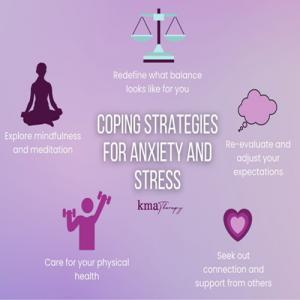
While difficult emotions are unavoidable, certain coping mechanisms can help manage them in healthier ways.
Practice Mindfulness and Relaxation
Mindfulness involves focusing on the present moment without judgment. Activities like meditation, deep breathing, or gentle yoga can calm the mind and reduce emotional tension.
Even a few minutes of slow breathing each day can help regulate stress levels and improve mental clarity.
Stay Physically Active
Exercise is one of the most effective natural stress relievers. Physical activity releases endorphins, which are chemicals in the brain that improve mood and reduce feelings of anxiety.
Activities like walking, cycling, dancing, or stretching can help shift your focus away from negative thoughts while improving overall health.
Talk About Your Feelings
Sharing emotions with trusted friends or family members can be incredibly helpful. Talking openly allows people to process experiences and gain new perspectives.
Sometimes, simply knowing that someone is listening without judgment can provide great emotional relief.
Maintain Daily Routines
During stressful or emotional periods, maintaining simple routines can create a sense of stability. Eating regular meals, sleeping well, and organizing daily tasks help bring structure to life when everything else feels uncertain.
Small routines can provide comfort and help the mind feel more in control.
Seek Professional Support When Needed
If anxiety, grief, or stress becomes overwhelming, seeking help from a mental health professional can be very beneficial. Therapists and counselors are trained to help individuals process emotions and develop effective coping strategies.
Professional guidance can make a significant difference, especially during long or intense emotional struggles.
Building Emotional Resilience
Coping with emotional challenges is not about avoiding pain; it is about learning how to navigate it in healthier ways. Over time, practicing healthy coping strategies can build emotional resilience—the ability to recover and adapt during difficult times.
Simple habits like journaling, spending time in nature, or practicing gratitude can gradually strengthen emotional well-being.
Final Thoughts
Everyone experiences anxiety, grief, and stress at some point in life. These emotions are a natural response to the challenges we face. What matters most is how we respond to them.
By practicing healthy coping mechanisms, staying connected with supportive people, and seeking help when needed, it is possible to manage emotional struggles and move forward with strength and hope. Taking care of mental health is not a sign of weakness—it is an important step toward living a balanced and fulfilling life.
TAGS : coping mechanisms: healthy ways to deal with anxiety, grief, and stress


