
Chronic Obstructive Pulmonary Disease (COPD): Understanding and Managing a Long-Term Lung Condition
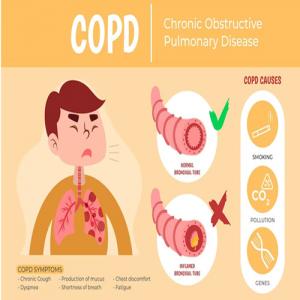
Breathing is something we often take for granted—until it becomes difficult. Chronic Obstructive Pulmonary Disease, commonly known as COPD, is a long-term lung condition that makes it hard to breathe and can affect daily life in many ways.
While COPD is a serious condition, understanding it and managing it properly can help improve quality of life.
What Is COPD?
COPD is a group of lung diseases that block airflow and make breathing difficult. The two main conditions included under COPD are chronic bronchitis and emphysema.
In COPD, the airways become inflamed, and the lungs lose their ability to function normally. This leads to reduced airflow, making even simple activities feel exhausting.
It usually develops slowly over time, which is why many people may not notice it in the early stages.
Common Causes
The most common cause of COPD is long-term exposure to harmful substances that irritate the lungs.
Smoking is the leading cause worldwide
Exposure to air pollution and dust
Second-hand smoke
Occupational exposure to chemicals or fumes
In some cases, genetics can also play a role.
Avoiding these risk factors can help prevent or slow down the condition.
Symptoms to Watch For
COPD symptoms may start mild but gradually become more noticeable.
Shortness of breath, especially during physical activity
Frequent coughing, often with mucus
Wheezing or a whistling sound while breathing
Chest tightness
Fatigue or low energy levels
If these symptoms persist, it is important to seek medical advice.
How COPD Affects Daily Life
COPD can make routine tasks like walking, climbing stairs, or even talking feel tiring.
Over time, it can affect sleep, reduce physical activity, and impact mental well-being. Many people with COPD may also experience anxiety or frustration due to breathing difficulties.
However, with the right care, many of these challenges can be managed.
Managing COPD Effectively
While COPD cannot be completely cured, it can be managed with proper treatment and lifestyle changes.
Quit smoking if you are a smoker
Avoid polluted or dusty environments
Follow prescribed medications or inhalers
Stay physically active with light exercises
These steps can help improve breathing and overall health.
The Importance of Pulmonary Rehabilitation
Pulmonary rehabilitation is a structured programme that includes exercise, education, and support for people with lung conditions.
It helps improve breathing techniques, increase stamina, and boost confidence in managing daily activities.
Many people find this approach very helpful in improving their quality of life.
Healthy Lifestyle Habits
Simple habits can make a big difference when living with COPD.
Eat a balanced diet to maintain energy
Stay hydrated to help clear mucus
Get enough rest and sleep
Practice breathing exercises
Taking care of your body supports your lungs as well.
Preventing Complications
People with COPD are more likely to develop infections like colds or flu, which can worsen symptoms.
Getting regular vaccinations, maintaining hygiene, and avoiding crowded places during illness outbreaks can help reduce risks.
Early treatment of infections is also important.
Emotional Well-Being Matters
Living with a chronic condition can be emotionally challenging. It is normal to feel worried or stressed at times.
Talking to family, friends, or a healthcare professional can help you cope better. Support groups can also provide encouragement and shared experiences.
A positive mindset plays an important role in managing long-term health conditions.
Final Thoughts
COPD may change the way you live, but it does not have to define your life. With the right care, awareness, and support, you can manage symptoms and continue to enjoy daily activities.
Taking small steps—like avoiding triggers, staying active, and following medical advice—can lead to meaningful improvements over time.
Breathing may feel harder, but with the right approach, living well is still very much possible.
TAGS : chronic obstructive pulmonary disease (copd): understanding and managing a long-term lung condition, chronic obstructive pulmonary disease, copd


