
Building Connection: The Role of Love Languages and Emotional Support
In every relationship, there comes a phase where love is present — but connection feels slightly distant. You’re together, you care deeply, but something feels unsaid. That “something” is often not a lack of love, but a lack of understanding how love is expressed and received. That’s where love languages and emotional support quietly shape everything.
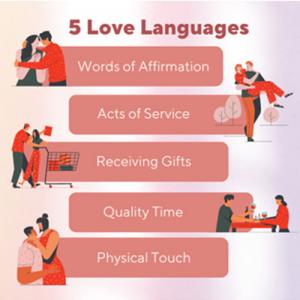
The idea of love languages is simple: people give and receive love in different ways. Some feel most loved through words. Others through actions. Some crave quality time, while others value thoughtful gifts or physical affection. None of these are “right” or “wrong.” They’re just different emotional dialects.
Imagine one partner constantly saying, “I’m so proud of you,” “You did amazing,” “I appreciate you.” But the other partner is waiting for help with chores or planning a surprise date. Both are loving — just speaking different languages. When those expressions don’t align, it can create silent misunderstandings.
Words of affirmation make some people bloom. A simple “I’m lucky to have you” can stay in their heart for days. Acts of service matter deeply to others. Making tea when they’re tired or taking over responsibilities during a stressful week might mean more than any romantic speech. Quality time lovers want undivided attention — phones away, real conversations, shared moments. Physical touch can be grounding and reassuring for many. And thoughtful gifts? They symbolize “I thought about you.”
Understanding your partner’s primary love language is like being handed the manual to their heart.
But love languages alone aren’t enough. Emotional support is what strengthens the foundation.
Emotional support means creating a space where your partner feels safe to be vulnerable. It’s not always about solving problems. Sometimes it’s just about listening without interrupting. It’s saying, “That sounds really hard,” instead of jumping into advice mode. It’s choosing empathy over ego.
When someone shares their fears, insecurities, or stress, they’re not looking for perfection — they’re looking for presence. A partner who says, “I’m here. We’ll handle this together,” becomes a source of emotional security.
In long-term relationships especially, emotional support becomes more powerful than grand gestures. Life throws challenges — career pressure, family responsibilities, financial stress, health concerns. In those moments, what people remember isn’t the fancy dinner dates. They remember who sat next to them when they felt overwhelmed.
Building connection also requires emotional awareness. Ask yourself: When my partner is upset, do I try to fix or do I first understand? When they’re excited about something small, do I celebrate with them? Do I notice their silent moods?
Connection grows in everyday moments. Sharing tea in the evening. Laughing at a silly inside joke. Checking in during a busy day. These small things build emotional intimacy over time.
It’s also important to communicate openly. You can gently ask, “What makes you feel most loved?” or “What helps you feel supported when you’re stressed?” These conversations aren’t awkward — they’re powerful. They remove guesswork and replace it with clarity.
And here’s something equally important: emotional support should go both ways. A relationship thrives when both partners feel seen and heard. It’s not about one person constantly giving and the other receiving.
At its core, connection isn’t about dramatic romance. It’s about feeling understood. When love languages are respected and emotional support is consistent, relationships feel lighter, warmer, and more secure.
Love isn’t just about saying “I love you.” It’s about showing it in a way your partner truly feels it — and standing beside them when life isn’t picture-perfect.
That’s how connection deepens. Quietly. Steadily. Beautifully.
TAGS : building connection: the role of love languages and emotional support


