
Best Concealer Tips for Natural Coverage
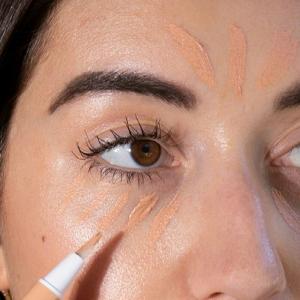
Concealer is one of the most useful makeup products for
creating a fresh, flawless-looking face without applying too much makeup.
Whether you want to hide dark circles, cover blemishes, reduce redness, or brighten
certain areas, the right concealer technique can make a noticeable difference.
The goal is not to make your skin look completely different but to enhance your
natural complexion while keeping your makeup lightweight.
Choose the Right Concealer Shade
Selecting the correct shade is the first step toward natural
coverage. For blemishes, acne marks, and redness, choose a concealer that
closely matches your foundation or natural skin tone. Using a shade that is too
light can make spots appear more noticeable rather than hiding them.
For under-eye circles, a concealer slightly lighter than
your skin tone can help brighten the area. If dark circles have a bluish or
purple appearance, a peach-toned corrector may help neutralize them before
applying concealer. Always check the shade in natural lighting to ensure it
blends seamlessly.
Prepare Your Skin Before Applying
Good skin preparation makes concealer easier to apply and
helps it last longer. Begin with a gentle cleanser, followed by moisturizer. If
you are applying concealer under your eyes, make sure the area is properly
hydrated because dryness can cause the product to settle into fine lines.
Allow your skincare products to absorb before applying
makeup. If your skin feels greasy, gently remove excess product with a tissue.
Applying concealer to well-prepared skin helps create a smooth and natural
finish.
Use Less Product for Better Results
One of the most common concealer mistakes is applying too
much product at once. Heavy layers can look cakey, especially around the eyes
and nose. Instead, start with a small amount and add more only where additional
coverage is needed.
For dark circles, apply a few tiny dots near the inner
corner and darker areas under the eyes. For blemishes, use a small brush to
place concealer directly over the spot rather than covering the entire
surrounding area.
Building coverage gradually gives you greater control and
helps your makeup look more natural.
Blend Gently and Carefully
Blending is essential for achieving seamless concealer
coverage. You can use your fingertips, a makeup sponge, or a small concealer
brush depending on your preference. A damp makeup sponge works well for
softening edges and creating a natural finish.
Avoid rubbing the product aggressively, particularly around
the delicate under-eye area. Instead, gently tap or press the concealer into
the skin. This technique keeps the product in place while helping it blend
smoothly with your foundation or bare skin.
Apply Concealer After Foundation
If you use foundation, applying concealer afterward can help
you avoid unnecessary product buildup. Foundation may already cover some
redness, unevenness, or minor blemishes, so you can use concealer only where
extra coverage is required.
For everyday makeup, you can skip foundation completely and
apply concealer only to areas that need attention. This creates a lightweight,
skin-like appearance that works well for office makeup, casual outings, and
daily routines.
Set It Lightly with Powder
A small amount of setting powder can prevent concealer from
creasing or moving throughout the day. Use a soft brush to apply a thin layer,
especially around the under-eyes, nose, and areas that tend to become oily.
Avoid applying too much powder, as it can make the skin look
dry or textured. If you have dry skin, you may not need powder everywhere.
Focus only on areas where concealer tends to crease or fade.
Conclusion
Natural concealer coverage comes down to choosing the right
shade, preparing your skin, using minimal product, and blending patiently. You
do not need several layers or complicated techniques to achieve a polished
look. With a few simple steps, concealer can help you feel confident while
allowing your natural skin texture to shine through.
TAGS : concealer makeup tips, natural concealer coverage, how to apply concealer, concealer shade matching, concealer for dark circles, concealer for acne and blemishes, concealer for redness, under eye concealer tips


