
Arthritis and Mobility: Managing Joint Pain and Staying Active
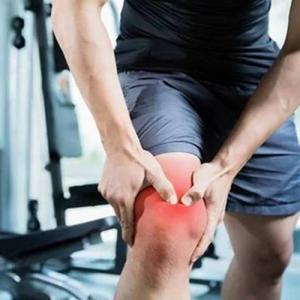
Joint pain can slowly change the way you live your daily life. Simple activities like walking, climbing stairs, or even holding objects may start to feel difficult. For many people, this is often due to Arthritis, a condition that affects joints and reduces mobility over time.
While arthritis can be challenging, the right approach can help you manage pain and maintain an active, comfortable lifestyle.
Understanding Arthritis and Its Impact
Arthritis is not just one condition—it refers to inflammation in the joints. It can cause pain, stiffness, swelling, and reduced movement.
The most common types include osteoarthritis, which happens due to wear and tear, and rheumatoid arthritis, which is related to the immune system.
Over time, these symptoms can affect your ability to move freely, making everyday tasks more difficult. But early awareness and care can make a big difference.
Common Symptoms You May Notice
Joint stiffness, especially in the morning
Pain during movement or after activity
Swelling or tenderness in joints
Reduced flexibility and range of motion
Recognising these signs early helps you take action before the condition worsens.
Why Mobility Matters
When joints become stiff or painful, people often reduce their movement. While this may feel like the right thing to do, it can actually make stiffness worse.
Staying active helps keep joints flexible, improves blood flow, and strengthens the muscles around your joints. This support reduces pressure on the joints and improves overall mobility.
Movement, when done correctly, is part of the solution—not the problem.
Simple Ways to Manage Joint Pain
You do not always need complex treatments to feel better. Small daily habits can help ease discomfort.
Apply warm compresses to relax stiff joints
Use cold packs to reduce swelling
Practice gentle stretching exercises
Maintain a healthy body weight to reduce joint stress
These steps can bring noticeable relief when done consistently.
Choosing the Right Physical Activity
Exercise is important, but it should be gentle and controlled.
Walking, swimming, and yoga are excellent options for people with joint pain. These activities improve flexibility without putting too much strain on the joints.
Avoid high-impact exercises if they increase discomfort. Always listen to your body and adjust your routine accordingly.
The Role of Diet in Joint Health
What you eat can influence inflammation in your body.
Include foods rich in omega-3 fatty acids like nuts and seeds
Eat plenty of fruits and vegetables
Stay hydrated throughout the day
Reducing processed foods and excess sugar can also help manage inflammation.
A balanced diet supports your joints from the inside.
Protecting Your Joints Daily
Making small adjustments in your daily routine can reduce strain on your joints.
Use supportive footwear
Avoid sitting or standing in one position for too long
Use proper posture while working or lifting objects
These habits prevent unnecessary pressure and help maintain joint health.
When to Seek Medical Help
If joint pain becomes severe, lasts for a long time, or limits your daily activities, it is important to consult a doctor.
Early treatment can slow down the progression of arthritis and improve your quality of life.
Mental and Emotional Well-Being
Living with chronic joint pain can sometimes affect your mood. It is normal to feel frustrated or tired.
Staying positive, talking to loved ones, and focusing on what you can do—rather than what you cannot—helps maintain emotional balance.
Your mindset plays an important role in managing long-term conditions.
Final Thoughts
Arthritis may affect your joints, but it does not have to control your life. With the right care, regular movement, and healthy habits, you can manage pain and stay active.
Small steps taken every day can lead to big improvements over time. Focus on consistency, listen to your body, and give yourself the care you deserve.
TAGS : arthritis & mobility: managing joint pain and staying active, joint pain, arthritis, mobility


