
Socotra Island, Yemen: Exploring One of the Most Alien-Looking Places on Earth
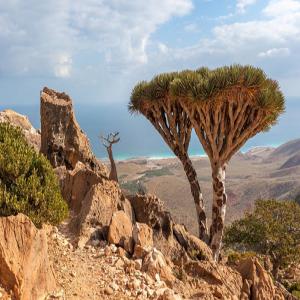
Imagine stepping onto an island where trees look like giant
upside-down umbrellas, white sand beaches stretch for miles without crowds, and
landscapes seem more suited to a science-fiction movie than our planet. Welcome
to Socotra Island, a remote paradise located in the Arabian Sea and often
described as one of the most unique places on Earth.
Part of Yemen, Socotra has remained isolated from the
mainland for millions of years. This separation allowed plants and animals to
evolve independently, creating an ecosystem unlike anywhere else in the world.
In fact, many of the island's species cannot be found anywhere else on the
planet.
For adventurous travelers and nature enthusiasts, Socotra
offers an experience that feels truly extraordinary.
Why Socotra Is So Special
The first thing that sets Socotra apart is its incredible
biodiversity.
Scientists often compare the island to the Galápagos Islands
because of its high number of endemic species. Nearly a third of its plant life
exists nowhere else on Earth.
The island's unusual appearance comes from its dramatic
geological history and unique climate. Rugged mountains, limestone caves,
desert plateaus, turquoise lagoons, and pristine beaches combine to create a
landscape that feels untouched by modern development.
Unlike many popular tourist destinations, Socotra remains
largely unspoiled, offering visitors a rare chance to experience nature in its
rawest form.
The Famous Dragon's Blood Trees
The symbol of Socotra is undoubtedly the Dragon's Blood
Tree.
These remarkable trees have dense, umbrella-shaped canopies
that look unlike any tree most people have ever seen. Their name comes from the
red sap they produce, which has been used historically in medicine, dyes, and
traditional remedies.
Walking through the Dragon's Blood Tree forests feels almost
surreal. The strange shapes against the backdrop of mountains and blue skies
create scenes that seem otherworldly.
Many travelers consider visiting these forests the highlight
of their journey to Socotra.
Stunning Beaches Without the Crowds
Socotra is not just about unusual plants. The island is also
home to some of the most beautiful beaches in the Arabian Sea.
Places such as Qalansiyah Beach and Detwah Lagoon feature
powdery white sand and crystal-clear turquoise waters.
Unlike many tropical destinations, these beaches remain
remarkably peaceful. Visitors often find themselves enjoying entire stretches
of coastline with very few people around.
The combination of dramatic mountains and pristine ocean
views makes Socotra's beaches particularly memorable.
Natural Wonders Beyond the Coast
The island's beauty extends far beyond its beaches.
Socotra offers:
Towering
mountain ranges
Deep
canyons
Limestone
caves
Freshwater
pools
Sand
dunes meeting the sea
Unique
desert landscapes
One of the most impressive natural attractions is Hoq Cave,
a massive cave system filled with stalactites, stalagmites, and ancient
inscriptions.
The hike to the cave offers spectacular views across the
island and the surrounding ocean.
For travelers who enjoy hiking and exploration, Socotra
provides endless opportunities for adventure.
A Different Pace of Life
One of the most rewarding aspects of visiting Socotra is experiencing
its simple and traditional way of life.
The local communities have maintained many customs and
traditions for generations. Fishing, livestock farming, and small-scale
agriculture remain central to daily life.
Visitors often appreciate the warmth and hospitality of the
island's residents, whose connection to the land is deeply rooted in their
culture.
Life moves more slowly here, creating an atmosphere that
encourages travelers to disconnect from modern distractions and appreciate
nature.
How to Visit Socotra
Traveling to Socotra requires careful planning.
Tourism is highly restricted, and independent travel is
generally not practical. Most visitors join organized eco-tours that handle
permits, transportation, accommodations, and guides.
Flights typically operate through select international
routes, often connecting via Oman or other regional hubs depending on current
travel arrangements.
Because regulations and travel options can change, travelers
should always verify the latest requirements through authorized tour operators
before planning a trip.
Best Time to Visit
The ideal time to visit Socotra is generally between October
and April, when weather conditions are more favorable.
During certain months, strong monsoon winds can make travel
and outdoor activities challenging.
Choosing the right season helps ensure safer travel and a
more enjoyable experience.
Final Thoughts
Socotra Island is one of those rare destinations that
genuinely feels unlike anywhere else on Earth. Its Dragon's Blood trees, untouched
beaches, dramatic landscapes, and unique wildlife create an environment that
seems almost alien yet incredibly beautiful.
For travelers seeking something beyond typical tourist
routes, Socotra offers an unforgettable journey into one of the world's most
extraordinary ecosystems. It is a place where nature still dominates the
landscape, where silence replaces crowds, and where every view reminds you just
how diverse and remarkable our planet can be.
TAGS : socotra island,yemen


