
Safety at Home and School: Teaching Kids Smart Habits That Keep Them Safe
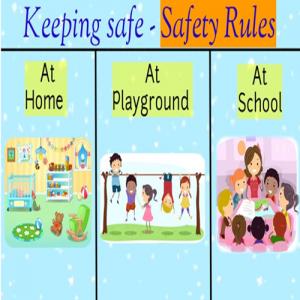
Children are naturally curious. They love exploring, trying new things, and learning through experience. While curiosity helps them grow, it can also sometimes put them in unsafe situations if they are not taught basic safety habits. That is why learning about safety at home and school is an important part of growing up.
The goal is not to make children fearful—it is to help them feel confident and prepared.
Why Safety Lessons Matter
Kids may not always recognize danger. Something as simple as touching a hot stove, running on wet floors, or talking to strangers can quickly become risky.
Teaching children basic safety rules helps prevent accidents and gives them the knowledge to handle unexpected situations.
These lessons should be repeated regularly in simple ways they can understand.
Home Safety Tips
Home feels like the safest place, but accidents can still happen there.
Teach children not to touch electrical switches with wet hands.
Keep sharp objects like knives, scissors, and blades out of reach.
Medicines should never be taken without an adult’s permission.
Children should also stay away from cleaning liquids and harmful chemicals.
If they are helping in the kitchen, teach them to be careful around hot stoves, boiling water, and sharp utensils.
Simple rules can prevent major accidents.
Fire Safety
Children should know what to do if they see fire or smell smoke.
Teach them to alert an adult immediately.
They should never hide during a fire emergency.
Show them safe exits and explain emergency numbers in a calm way.
Practicing fire drills at home can also be helpful.
Internet Safety at Home
Today, many children use phones, tablets, and computers.
Teach them not to share personal information online.
They should avoid chatting with strangers on games or social media.
Parents should monitor online activity and create healthy screen habits.
Digital safety is just as important as physical safety.
Safety at School
Schools are meant to be safe spaces for learning, but children should still understand basic precautions.
Teach them to walk calmly in hallways instead of running.
They should follow playground rules and use equipment properly.
Carrying scissors, pencils, and school supplies carefully is also important.
Listening to teachers during emergencies helps keep everyone safe.
Stranger Safety
Children should understand the difference between safe adults and strangers.
Teach them never to leave school with someone unknown.
They should inform teachers or parents if someone makes them uncomfortable.
Using simple phrases like “I need to ask my parents first” can help children feel empowered.
Road Safety
Whether walking to school or traveling by bus, road safety matters.
Teach children to look both ways before crossing roads.
They should use zebra crossings whenever possible.
Seat belts should always be worn in cars.
Children riding bicycles should wear helmets for protection.
Bullying Awareness
Safety also includes emotional well-being.
Children should know that bullying is not acceptable.
Encourage them to speak to teachers or parents if someone is hurting them physically or emotionally.
Creating open communication helps children feel supported.
Emergency Preparedness
Kids should know important contact numbers and home addresses if age-appropriate.
Teach them how to call for help during emergencies.
Simple knowledge can make a big difference.
Final Thoughts
Safety lessons help children become more aware, responsible, and confident.
By teaching home safety, school safety, internet awareness, and emergency preparedness, parents can help children protect themselves in everyday situations.
The best safety rule is simple—stay alert, ask for help when needed, and always make smart choices.
TAGS : safety at home and school: teaching kids smart habits that keep them safe


