
Payal vs Anklet: From Timeless Tradition to Modern Trend
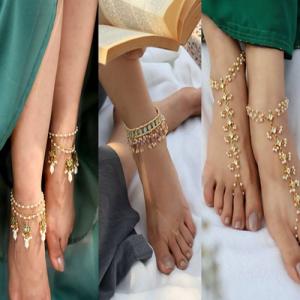
Jewellery has always told stories — of culture, identity, love, and style. Among the most graceful ornaments worn by women across generations is the payal, also known as the anklet. But are payal and anklet the same? Or has time created a difference between the two?
From temple rituals to fashion runways, the journey of ankle jewellery in India has been beautiful and evolving. Let’s explore how payal and anklets moved from tradition to trend.
The Traditional Payal: More Than Just Jewellery
In Indian culture, the payal holds deep significance. Traditionally crafted in silver, it is often worn by married women and young girls alike. The soft sound of tiny ghungroos (bells) attached to the payal wasn’t just decorative — it symbolized grace and presence.
In many regions of India, silver was preferred over gold for payals because gold is considered sacred and traditionally not worn below the waist. Heavy, intricately designed silver payals were common in states like Rajasthan, Uttar Pradesh, and Gujarat.
Payal was not just about style — it was about culture, femininity, and tradition.
The Modern Anklet: A Fashion Statement
Fast forward to today, and the anklet has taken on a more global, contemporary identity. While rooted in the traditional payal, modern anklets are lighter, minimal, and often worn as fashion accessories rather than cultural symbols.
Anklets now come in:
• Sterling silver
• Gold
• Rose gold
• Beaded designs
• Charm styles
• Layered chains
Unlike traditional payals that are usually worn as a pair, modern anklets are often worn on one foot for a chic, casual look.
They’ve become especially popular with western outfits — think summer dresses, beachwear, and cropped jeans.
Key Differences: Payal vs Anklet
While the two terms are often used interchangeably, there are subtle differences:
Payal
• Deeply rooted in Indian tradition
• Usually silver
• Often heavier with detailed designs
• Worn as a pair
• May include bells (ghungroos)
Anklet
• Modern, global fashion accessory
• Available in multiple metals and materials
• Lighter and minimal
• Often worn single
• Usually without bells
That said, the line between them is becoming increasingly blurred as fashion evolves.
From Weddings to Everyday Wear
Earlier, payals were mostly worn during weddings, festivals, and traditional ceremonies. Brides often wore heavy, intricately carved designs that complemented their lehenga or saree.
Today, designers have reinvented ankle jewellery for everyday wear. Delicate chain anklets with tiny charms, initials, or minimalist motifs are perfect for daily styling.
Jewellery brands like Tanishq and Giva have introduced contemporary anklet collections that blend tradition with modern elegance.
Styling Tips for Today’s Fashion Lovers
If you love traditional wear, a classic silver payal with light ghungroos pairs beautifully with sarees and salwar suits.
For a modern look:
• Choose a thin chain anklet with a tiny charm.
• Layer two delicate anklets for a trendy vibe.
• Match rose gold anklets with pastel outfits.
• Wear a single anklet with sandals or heels for a subtle statement.
Anklets also look stunning during beach vacations — especially when styled with flowy dresses.
Why This Trend Never Fades
What makes ankle jewellery timeless is its balance of subtlety and charm. It doesn’t overpower your look but adds a delicate touch of elegance.
Whether it’s the soft sound of a traditional payal during a wedding ceremony or a sleek anklet shining under summer sunlight, both carry beauty in their own way.
Final Thoughts
Payal represents heritage, culture, and tradition. Anklet represents style, individuality, and modern expression. But at their core, both celebrate femininity and grace.
Fashion evolves, but tradition always finds a way to adapt. Today’s generation doesn’t have to choose between culture and trend — you can wear both.
So whether you prefer the soft chime of a silver payal or the minimalist shine of a modern anklet, wear it your way.
Because jewellery is not just about what you wear — it’s about how it makes you feel.
TAGS : payal vs anklet: from timeless tradition to modern trend, payal , anklet:


