
Meal Planning Hacks for Busy Professionals: Eat Healthy Without the Stress
Balancing work deadlines, meetings, family responsibilities,
and personal commitments can make healthy eating feel like a challenge. For
many busy professionals, cooking a nutritious meal is often the last thing on
the to-do list. As a result, skipping breakfast, ordering takeout, or relying
on packaged snacks becomes a regular habit. While these choices may save time
in the moment, they can make it harder to maintain energy and follow a balanced
diet.
The good news is that healthy eating does not require hours
in the kitchen. With a little planning and a few practical habits,
professionals can enjoy nutritious meals without disrupting their busy
schedules.
1. Plan Your Meals Before the Week Begins
One of the easiest ways to simplify eating is to decide what
you will have throughout the week. Spend 15 to 20 minutes every weekend
planning breakfast, lunch, dinner, and a few snacks.
Choose meals that fit your schedule and cooking skills. For
example, you could have overnight oats for breakfast, vegetable rice with curd
for lunch, and dal with roti for dinner. Planning ahead reduces last-minute
confusion and makes grocery shopping more organised.
You do not need to prepare a completely different dish every
day. Repeating a few favourite meals can save time and make healthy eating
easier to maintain.
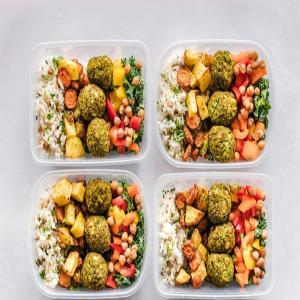
2. Try Simple Meal Prepping
Meal prepping involves preparing some ingredients or meals
in advance so that cooking becomes quicker during the week. You do not have to
spend your entire Sunday in the kitchen to make it work.
Wash and chop vegetables, cook a batch of dal, boil eggs,
prepare a basic curry, or cook grains that can be used in different dishes.
Store ingredients in clean, airtight containers and refrigerate them promptly.
For example, cooked chickpeas can be used in salads, wraps,
or quick curries. Similarly, chopped vegetables can be added to sandwiches,
stir-fries, and pulao.
Prepare only what you can store safely, and freeze suitable
portions if you plan to keep them for longer.
3. Build Balanced Meals Without Complicated Recipes
Healthy meals do not have to involve expensive ingredients
or elaborate recipes. A simple approach is to include vegetables, protein, and
a source of carbohydrates in your main meals.
Vegetables provide fibre and essential nutrients, while
protein sources such as dal, beans, paneer, eggs, curd, fish, or chicken help
support muscle health and keep meals satisfying. Rice, roti, oats, and other
whole grains provide energy for your daily activities.
For a quick lunch, try rice with dal, vegetables, and curd.
Another option is a whole-wheat wrap filled with paneer, vegetables, and a
simple homemade dressing.
The key is to create meals that are nourishing, enjoyable,
and realistic for your lifestyle.
4. Keep Healthy Snacks Within Reach
Long meetings and demanding workloads can leave you hungry
between meals. Keeping convenient snacks nearby can help you avoid relying
entirely on vending machines or frequent food deliveries.
Consider carrying fruit, roasted chana, unsalted nuts,
yoghurt, or homemade sandwiches. These options require little preparation and
can be packed before leaving home.
If you work from home, keep a few ready-to-eat options in
the refrigerator. Having nutritious snacks available makes it easier to respond
to hunger without spending too much time deciding what to eat.
Remember to drink water regularly throughout the day,
especially when you are busy and tend to forget.
5. Make Your Grocery List Work for You
A well-planned grocery list prevents unnecessary purchases
and reduces food waste. Divide your list into categories such as vegetables,
fruits, protein sources, grains, dairy products, and pantry essentials.
Choose versatile ingredients that can be used in multiple
meals. Onions, tomatoes, spinach, eggs, lentils, rice, oats, and seasonal
fruits can form the foundation of several simple dishes.
Frozen vegetables are also useful when fresh produce is
unavailable or you have limited time for preparation. They can make everyday
cooking quicker without requiring extensive chopping and cleaning.
6. Use Technology and Smart Shortcuts
Digital calendars, reminder apps, and simple notes can help
you organise meals around your work schedule. Set a reminder to plan groceries
or prepare lunch for the next day.
You can also use time-saving kitchen appliances such as a
pressure cooker, rice cooker, or air fryer if they suit your needs. Keep a
collection of quick recipes that take around 15 to 30 minutes to prepare.
On particularly busy days, choosing a balanced meal from a
reliable food outlet is perfectly reasonable. Healthy eating should be flexible
rather than restrictive.
7. Keep Your Plan Realistic
The biggest mistake in meal planning is trying to change
everything at once. Start with one or two habits, such as preparing breakfast
the night before or packing lunch three days a week.
Allow room for restaurant meals, social gatherings, and
unexpected changes in your schedule. A meal plan should make life easier, not
create another source of pressure.
Final Thoughts
Meal planning is a practical way for busy professionals to
save time, manage food expenses, and make healthier choices throughout the
week. By planning simple meals, preparing ingredients in advance, stocking up
on nutritious snacks, and keeping the process flexible, you can build a routine
that works even during demanding workdays.
Healthy eating does not have to be complicated. A few small
changes, repeated consistently, can make nutritious meals a natural part of
your everyday life.
TAGS : healthy eating tips for busy professionals, meal planning for working professionals, healthy meal prep ideas, easy healthy meals for busy people, quick nutritious meals, healthy eating on a busy schedule, weekly meal planning tips,


