
How to Extend the Life of Your EV Battery: Smart Tips Every Owner Should Know
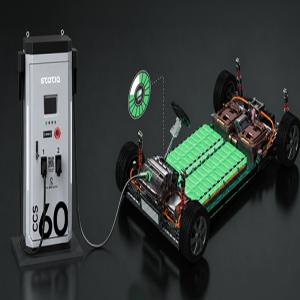
Electric vehicles (EVs) are becoming increasingly popular
because they offer lower running costs, quieter driving, and reduced tailpipe
emissions. However, one concern many buyers have is battery life. Since the
battery is one of the most expensive components of an electric vehicle, taking
proper care of it can help maintain performance, driving range, and long-term
value.
The good news is that extending your EV battery's life does
not require complicated maintenance. A few everyday habits, combined with the
right charging practices, can make a meaningful difference over time.
1. Maintain a Healthy Battery Charge Level
One of the simplest ways to care for an EV battery is to avoid
keeping it fully charged or nearly empty for long periods. Lithium-ion
batteries, commonly used in electric vehicles, generally experience less stress
when they are not consistently held at extreme charge levels.
For everyday driving, many manufacturers recommend setting
the charging limit to around 80%. Charging to 100% is still useful before a
long journey when the additional range is needed. Similarly, avoid allowing the
battery to remain at a very low charge level for extended periods.
Always follow your vehicle manufacturer's recommendations,
as charging guidance can differ between models and battery chemistries.
2. Choose the Right Charging Method
Fast charging is convenient, especially during road trips,
but frequent use of high-power DC fast chargers can generate additional heat
and battery stress. Whenever practical, use a home AC charger or another
suitable slower charger for regular charging.
This does not mean fast charging should be avoided
completely. Modern EVs have battery management systems designed to monitor
charging and protect the battery. Fast charging is useful when time is limited,
but relying on slower charging for routine use may help reduce unnecessary
stress.
For the best results, use approved charging equipment and
avoid damaged cables or unreliable charging points.
3. Protect Your EV from Extreme Temperatures
Temperature plays an important role in battery performance
and ageing. Very high temperatures can accelerate battery degradation, while
extremely cold conditions can temporarily reduce driving range and charging
speed.
Whenever possible, park your EV in a shaded area or covered
garage, particularly during hot summer days. In colder weather, precondition
the battery using the vehicle's recommended settings before driving or
charging.
Many modern EVs have thermal management systems that
regulate battery temperature. Keeping these systems in good condition and
following dashboard warnings can help maintain battery health.
4. Drive Smoothly and Avoid Unnecessary Strain
Your driving style affects energy consumption and the number
of charging cycles needed over time. Rapid acceleration, frequent hard braking,
and sustained high-speed driving can increase energy use and reduce the
distance covered on a single charge.
Try accelerating gradually, maintaining a steady speed, and
anticipating traffic conditions. Use regenerative braking when appropriate, as
it recovers some energy during deceleration.
Smooth driving not only helps improve efficiency but can
also make everyday journeys more comfortable.
5. Be Careful When Leaving Your EV Unused
If you plan to leave your electric vehicle parked for
several days or weeks, check the manufacturer's storage recommendations. Avoid
leaving the battery completely empty or fully charged for an extended period.
Many manufacturers recommend storing the vehicle at a
moderate state of charge, often around 50%, although the exact guidance varies
by model. Park in a suitable location and check the charge level periodically
if the vehicle will remain unused for a long time.
Remember that some connected features may continue consuming
battery power even when the vehicle is parked.
6. Keep Software and Battery Systems Updated
EV manufacturers regularly release software updates that may
improve battery management, charging behaviour, and energy efficiency.
Installing recommended updates can help ensure your vehicle operates as
intended.
Pay attention to battery-related warnings and schedule
servicing when required. If you notice an unexpected drop in driving range,
unusually slow charging, or repeated battery warnings, consult an authorised
service centre rather than attempting repairs yourself.
Also, check your battery warranty conditions so you
understand the manufacturer's coverage and maintenance requirements.
7. Plan Charging According to Your Daily Needs
Charging habits should match your regular travel routine. If
you usually drive short distances, there is little need to charge to 100% every
day. Set a suitable charging limit and top up when necessary.
Before long journeys, plan charging stops and consider the
availability of chargers along your route. This reduces the likelihood of
reaching very low battery levels while searching for a charging station.
Conclusion
Extending the life of an EV battery is largely about
building sensible habits. Maintaining a suitable charge level, managing
temperature, using fast charging thoughtfully, driving smoothly, and following
manufacturer guidance can all support long-term battery health.
Although every battery gradually loses some capacity with
age, proper care can help preserve useful driving range and reduce avoidable
wear. For EV owners, these simple steps offer a practical way to enjoy reliable
performance while getting more value from their investment.
TAGS : ev battery life tips, how to extend electric vehicle battery life, electric vehicle battery maintenance, ev battery health tips,


