
Gulab Jamun Recipe: The Sweet That Feels Like Celebration
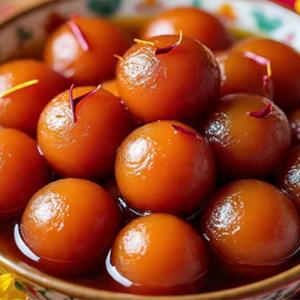
There are desserts… and then there’s Gulab Jamun. Soft, syrupy, melt-in-the-mouth goodness that instantly reminds you of weddings, festivals, and family dinners. Just hearing the name is enough to make most of us smile.
Gulab jamun isn’t just a sweet — it’s nostalgia. It’s that warm bowl served after a big meal. It’s the extra piece you sneak from the kitchen. It’s comfort, celebration, and indulgence rolled into one golden ball.
The best part? You can make it at home. And once you do, you’ll realize it’s not as complicated as it looks.
What Makes Gulab Jamun So Special?
Traditionally made from khoya (reduced milk solids), gulab jamuns are deep-fried and soaked in sugar syrup flavored with cardamom and rose water.
The magic lies in the texture. They should be soft and spongy inside — not dense or rubbery. When you press them gently with a spoon, they should bounce back and ooze syrup.
It’s simple ingredients, but technique makes all the difference.
Ingredients You’ll Need
For the Jamuns:
• 1 cup khoya (mawa), grated
• 2 tablespoons all-purpose flour (maida)
• A pinch of baking soda
• 2–3 tablespoons milk (as needed)
• Ghee or oil for deep frying
For the Sugar Syrup:
• 1½ cups sugar
• 1½ cups water
• 3–4 crushed cardamom pods
• 1 teaspoon rose water (optional)
• A few saffron strands (optional)
Step 1: Prepare the Sugar Syrup
Start with the syrup because the jamuns need to be soaked while warm.
In a pan, combine sugar and water. Heat until the sugar dissolves completely. Add crushed cardamom and let it simmer for 5–7 minutes. You don’t need a thick syrup — just slightly sticky.
Turn off the heat and add rose water or saffron if using. Keep it warm, not boiling.
Step 2: Make the Dough
In a bowl, mix grated khoya, maida, and a tiny pinch of baking soda. Mix gently.
Add milk little by little and knead into a soft, smooth dough. Don’t overwork it. The dough should be soft but not sticky.
If it cracks while shaping, add a few drops of milk and knead lightly again.
Step 3: Shape the Jamuns
Grease your palms slightly and roll small, smooth balls. Make sure there are no cracks — cracks can cause them to break while frying.
Keep them small because they expand when fried and soaked.
Step 4: Fry on Low Heat
Heat ghee or oil in a deep pan on low to medium heat. The oil should not be too hot. If it’s too hot, the jamuns will brown quickly outside but remain uncooked inside.
Gently drop a few balls into the oil. Fry slowly, stirring gently, until they turn deep golden brown. This step requires patience — slow frying ensures softness.
Remove and drain excess oil.
Step 5: Soak in Syrup
Immediately place the warm jamuns into warm sugar syrup. Let them soak for at least 2 hours.
You’ll see them swell slightly and absorb the syrup beautifully.
Serving Tips
Gulab jamun tastes heavenly when served:
• Warm
• With a scoop of vanilla ice cream
• Garnished with chopped pistachios
Some people prefer it chilled, but warm gulab jamun on a cool evening? Pure comfort.
Common Mistakes to Avoid
• Over-kneading the dough (makes jamuns hard)
• Frying on high heat (leads to uncooked centers)
• Thick syrup (prevents proper absorption)
Patience is key. This is not a rushed dessert.
Final Thoughts
Gulab jamun carries emotion. It’s part of Diwali sweets, wedding feasts, birthday celebrations, and Sunday indulgences. One bite brings back memories of family gatherings and festive lights.
Making it at home adds even more sweetness — because when you cook with care, it tastes different.
Soft, syrupy, and filled with warmth, gulab jamun isn’t just a dessert.
It’s happiness served in a bowl.
TAGS : gulab jamun, gulab jamun recipe


