
Growing Chemical-Free Vegetables at Home: A Simple Guide to Healthy Gardening
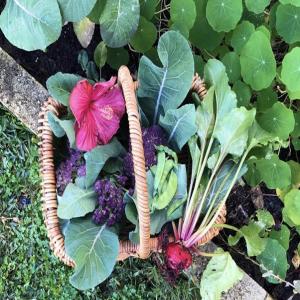
Growing vegetables at home is a rewarding experience that
brings freshness, flavour, and greenery into everyday life. Whether you have a
spacious backyard, a small balcony, or just a sunny window, you can create a
little vegetable garden with the right planning. One of the biggest advantages
is having control over how your vegetables are grown, including the use of
fertilisers and pest-control methods.
Chemical-free gardening focuses on reducing or avoiding
synthetic pesticides and fertilisers while using natural techniques to maintain
healthy soil and plants. It may require patience and regular care, but the
results can be worth the effort.
1. Choose the Right Vegetables to Grow
If you are new to gardening, start with vegetables that are
relatively easy to maintain. Choosing plants suited to your local climate and
available space can make the process much simpler.
Some beginner-friendly options include:
Tomatoes:
Grow well in containers with sufficient sunlight and support.
Spinach:
A leafy vegetable that can be harvested within a few weeks under suitable
conditions.
Green
chillies: Suitable for pots and relatively easy to maintain.
Radishes:
Grow quickly in loose, well-draining soil.
Coriander:
Can be grown in shallow containers and used fresh in everyday cooking.
Okra:
A popular warm-weather vegetable that grows well with sunlight and
adequate space.
Choose seasonal varieties and check their sunlight and
watering requirements before planting.
2. Prepare Healthy Soil Naturally
Healthy soil is the foundation of a productive vegetable
garden. Instead of depending on synthetic fertilisers, you can improve soil
quality with organic materials.
Mix garden soil with well-decomposed compost and cocopeat to
improve its texture and moisture retention. Compost made from vegetable peels,
fruit scraps, dry leaves, and other suitable organic waste can add valuable
nutrients to the soil.
You can also use vermicompost, which is produced with the
help of earthworms. Make sure all compost is properly decomposed before adding
it to your plants.
Avoid using fresh kitchen waste directly in pots, as it can
attract insects and create unpleasant smells.
3. Select Suitable Pots and Containers
You do not need an expensive gardening setup to grow
vegetables. Old buckets, grow bags, large containers, and unused pots can work
well if they have proper drainage holes.
Choose container sizes according to the plant. Leafy greens
and coriander can grow in relatively shallow pots, while tomatoes and okra need
deeper containers to support their roots.
Place containers where they receive enough sunlight. Most
fruiting vegetables require around six to eight hours of direct sunlight daily,
while some leafy greens can tolerate partial shade.
4. Use Natural Pest-Control Methods
Pests are a common challenge in home gardening. Instead of
immediately using chemical pesticides, try simple preventive methods.
Remove
damaged or infected leaves regularly.
Inspect
the underside of leaves for insects.
Use
neem-based products according to their label instructions.
Encourage
beneficial insects such as ladybirds by maintaining a diverse garden.
Use
physical barriers or insect netting to protect young plants.
For mild infestations, manually removing pests or washing
leaves with water may help. Avoid applying homemade mixtures in excessive
concentrations, as even natural ingredients can damage plants.
5. Water Your Plants Correctly
Watering is essential, but too much water can damage roots
and encourage fungal diseases. Check the top layer of soil before watering. If
it feels dry, water gently until excess moisture drains through the bottom.
Early morning is generally a suitable time because plants
can absorb moisture before the heat of the day. Avoid keeping containers in
standing water.
Adding a layer of dry leaves or organic mulch around plants
can help retain soil moisture and reduce weed growth.
6. Practise Crop Rotation and Companion Planting
Growing the same vegetable in the same soil repeatedly can
increase the risk of nutrient depletion and certain plant diseases. Rotating
vegetable families between growing areas can help maintain soil health.
You can also try companion planting. For example, growing
marigolds near vegetables may help attract beneficial insects and add diversity
to the garden. However, companion plants are not a guaranteed solution for pest
problems.
7. Harvest at the Right Time
Harvesting vegetables at the right stage helps maintain
their freshness and encourages continued production in many plants. Pick leafy
greens when the leaves are tender, harvest radishes once their roots reach a
suitable size, and collect tomatoes when they develop their characteristic
colour.
Use clean scissors or gardening tools to avoid damaging
stems and roots.
Final Thoughts
Growing chemical-free vegetables at home is a practical way
to enjoy fresh produce while developing a closer connection with nature. Start
with a few easy vegetables, prepare healthy soil, water carefully, and use preventive
pest-control methods.
You do not need a large garden or advanced gardening
knowledge to get started. With consistency and patience, even a small balcony
can become a productive green space. The joy of harvesting vegetables you have
grown yourself makes every bit of effort worthwhile.
TAGS : chemical-free vegetable gardening at home, how to grow vegetables at home, organic kitchen gardening, home vegetable garden ideas, grow vegetables in pots, balcony vegetable garden, beginner gardening tips


