
Boiled egg vs omlette for weight loss
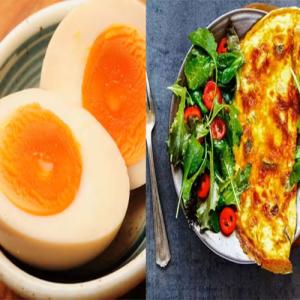
When it comes to weight loss, the humble egg is often hailed as a "superfood." It’s packed with high-quality protein, essential vitamins like B12 and D, and healthy fats that keep you full. However, the eternal kitchen debate remains: should you be reaching for a hard-boiled egg or whipping up a fluffy omelette?
While both come from the same source, the way you prepare them can significantly impact your calorie deficit and nutritional intake. Here is a breakdown of how these two stack up for your weight loss journey.
The Case for Boiled Eggs: The Lean King
If your primary goal is strict calorie control, the boiled egg is the undisputed winner. Its strength lies in its simplicity.
1. Zero Added Fats
Since you are cooking the egg in nothing but water, you aren't adding any extra calories from oils, butter, or margarine. A single large boiled egg sits comfortably at about 70–78 calories.
2. High Satiety
Boiled eggs are incredibly "satiating." Because they are dense and pure protein, they signal your brain that you are full much faster than processed snacks. Many people find that eating two boiled eggs for breakfast keeps them satisfied until lunch, preventing the dreaded mid-morning reach for cookies.
3. Portability
They are the ultimate "fast food." You can boil a batch on Sunday, keep them in the fridge, and grab them on your way out the door. This convenience helps you avoid high-calorie convenience store snacks when hunger strikes on the go.
The Case for Omelettes: The Nutrient Powerhouse
While boiled eggs win on calories, omelettes win on "diet sustainability" and volume.
1. Volume and Fiber
The biggest "secret weapon" for weight loss isn't just low calories; it’s fiber. By whisking in spinach, bell peppers, onions, and mushrooms, you turn two eggs into a massive, voluminous meal. This extra bulk physically fills your stomach, which can be more psychologically satisfying than a small boiled egg.
2. Metabolic Boost
A vegetable-loaded omelette provides a wider array of micronutrients and antioxidants. When cooked with a tiny amount of heart-healthy fat like olive oil, it can actually help your body absorb fat-soluble vitamins ($A, D, E, K$) more effectively.
3. The Flavor Factor
Let’s be honest: boiled eggs can get boring. If you find yourself resenting your "diet food," you are more likely to quit. An omelette allows for variety through herbs and spices like turmeric, chili flakes, or black pepper, which can slightly boost thermogenesis (your body’s heat production).
The Verdict: Which One Should You Choose?
The "better" choice depends on your specific lifestyle:
• Choose Boiled Eggs if you are in a rush, need a pre-workout snack, or are strictly counting every single calorie. They are the "cleanest" way to consume egg protein.
• Choose Omelettes if you are sitting down for a meal and want to maximize nutrition. Just be careful with the "extras"—adding a handful of cheese or a tablespoon of butter can easily double the calorie count from 150 to 300+.
The Middle Ground: If you love the flavor of an omelette but want the calorie profile of a boiled egg, try a poached egg. You get the soft, decadent texture without the added frying oils.
Ultimately, weight loss is about consistency. If a veggie omelette makes you happy and keeps you away from junk food, it is far better than a boiled egg that leaves you feeling deprived.
TAGS : boiled egg vs omlette for weight loss, boiled egg , omlette, weight loss


