
Managing Burnout: Recognizing the Signs and Finding Your Way Back to Balance
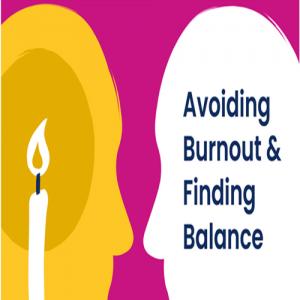
In today’s fast-paced world, many people push themselves to constantly perform, achieve, and stay productive. While dedication and hard work are valuable, there is a point where prolonged stress can take a serious toll on both mental and physical health. This state is commonly known as Burnout.
Burnout is more than just feeling tired after a busy week. It develops gradually when stress continues for long periods without enough rest or support. When ignored, burnout can affect motivation, productivity, and overall well-being. Understanding the warning signs and learning recovery strategies can help people regain balance in their lives.
Recognizing the Signs of Burnout
Burnout does not happen overnight. It often begins with small changes in mood, energy levels, and motivation. Over time, these symptoms can become more serious if they are not addressed.
One of the most common signs is constant exhaustion. Even after getting enough sleep, people experiencing burnout often feel physically and mentally drained. Tasks that once felt manageable may suddenly feel overwhelming.
Another sign is a loss of motivation or enthusiasm for work or daily activities. Someone who once enjoyed their responsibilities might begin to feel detached or uninterested.
Burnout is also closely linked with mental health conditions such as Stress, Anxiety disorder, and sometimes even Depression.
People may also notice physical symptoms such as headaches, sleep problems, irritability, or difficulty concentrating.
Recognizing these warning signs early can help prevent burnout from becoming more severe.
Understanding the Causes
Burnout often occurs when there is a long-term imbalance between effort and recovery. This can happen in demanding workplaces, academic environments, or even personal responsibilities.
Common causes include excessive workloads, lack of control over decisions, unrealistic expectations, and insufficient time for rest or personal life.
In some cases, people also experience burnout because they feel their efforts are not recognized or appreciated. When work feels meaningless or overwhelming, motivation naturally decreases.
Strategies to Recover from Burnout
Recovering from burnout takes time and conscious effort. The first step is acknowledging that you need rest and change. Ignoring the problem often makes it worse.
Prioritize Rest and Recovery
Sleep plays a critical role in restoring both the body and mind. Creating a regular sleep schedule and limiting screen time before bed can significantly improve energy levels.
Taking short breaks during the day can also help prevent mental exhaustion.
Set Healthy Boundaries
Learning to say “no” when necessary is an important step in managing burnout. Setting clear boundaries between work and personal time allows your mind to relax and recharge.
For example, avoiding work emails after office hours or dedicating time to hobbies can help maintain balance.
Reconnect with Activities You Enjoy
Spending time doing things you genuinely enjoy can restore motivation and positivity. Whether it is reading, exercising, gardening, or listening to music, these activities help reduce stress and improve mood.
Even small moments of relaxation can make a big difference over time.
Seek Support
Talking to trusted friends, family members, or mentors can provide emotional support during stressful periods. Sometimes simply sharing your feelings can help lighten the emotional burden.
If burnout becomes severe, speaking with a counselor or therapist can provide professional guidance and coping strategies.
Building Long-Term Resilience
Preventing burnout in the future involves building habits that support mental well-being. Regular exercise, mindfulness practices, and maintaining social connections can strengthen emotional resilience.
It is also helpful to periodically reassess priorities and ensure that work, health, and personal life remain balanced.
Final Thoughts
Burnout is a common challenge in modern life, but it does not have to become permanent. By recognizing the warning signs early and adopting healthier routines, it is possible to recover and regain a sense of balance.
Taking care of your mental and emotional health is just as important as achieving professional goals. When you give yourself permission to rest, reflect, and recharge, you create the foundation for a healthier and more fulfilling life.
TAGS : managing burnout: recognizing the signs and finding your way back to balance, burnout


